



Do People Sleep More in Winter? How Cold, Darkness, and Season Affect Sleep
Quick answer: Yes, people may sleep slightly longer in winter, but the difference is usually modest and varies by individual and location. A large 2025 study found that adults in the Northern Hemis...
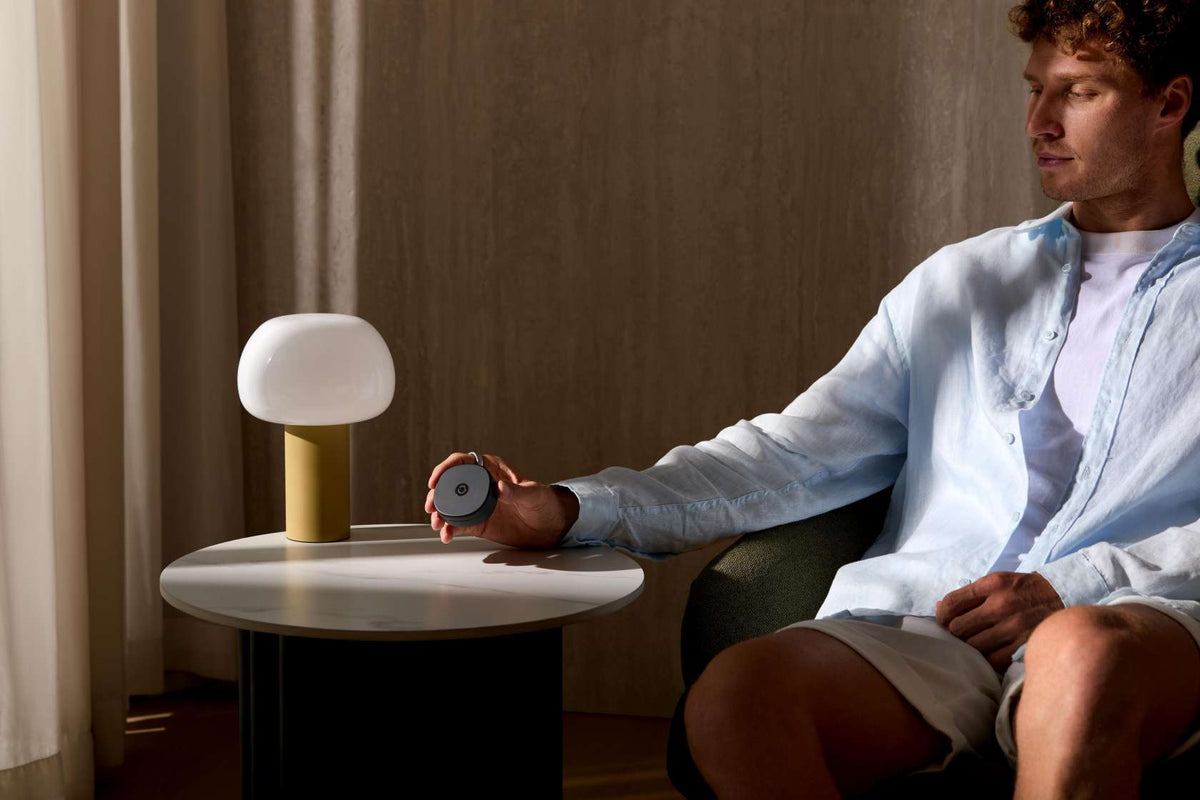
Good Stress vs Bad Stress: How to Tell the Difference
Quick answer: Good stress, also called eustress, is a manageable challenge that can help you focus, adapt, or perform, especially when you have an opportunity to recover afterward. Bad stress, or d...

How to Sleep Better During Pregnancy: Positions, Routines, and Common Changes
Quick answer: To sleep better during pregnancy, adjust your sleeping position as your body changes, use pillows for support, maintain a consistent bedtime routine, and address symptoms such as hear...
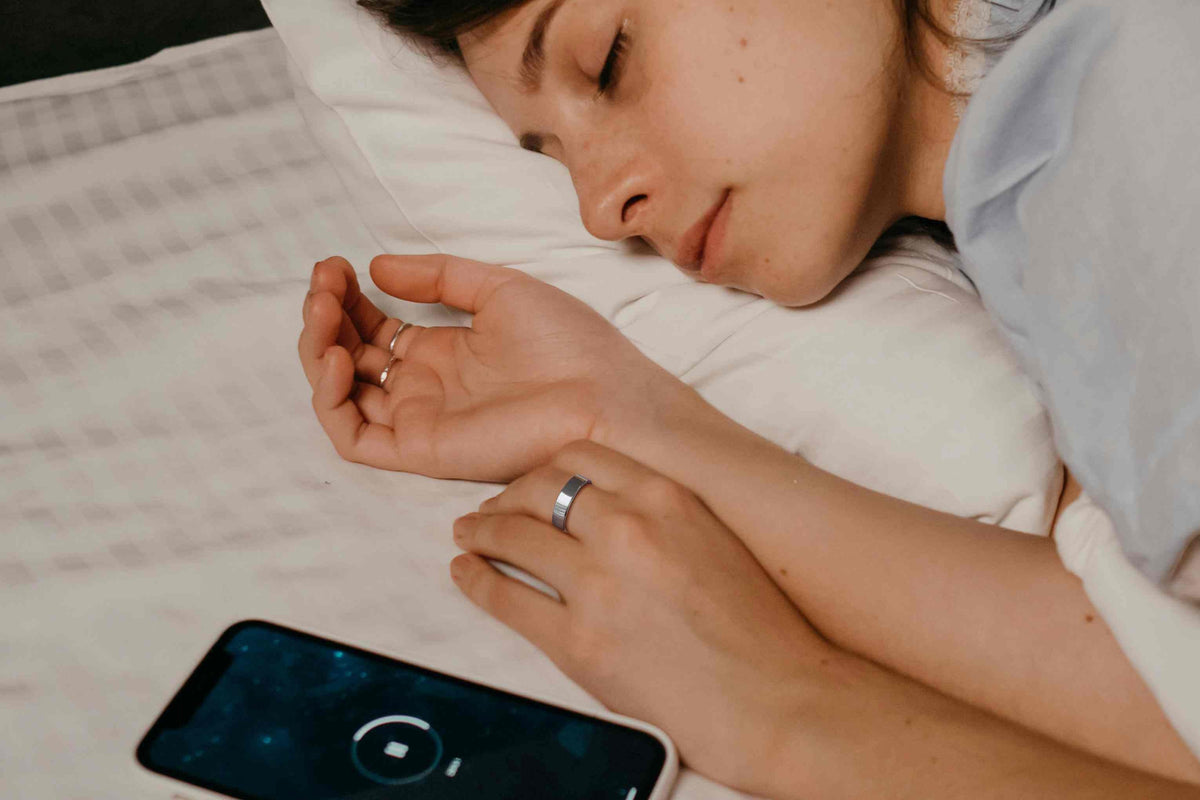
Sleeping With Background Noise: Helpful Habit or Sleep Disruptor?
Quick answer: Sleeping with background noise can help some people by making sudden environmental sounds less noticeable, but it can also disrupt sleep if the audio is too loud, unpredictable, or un...
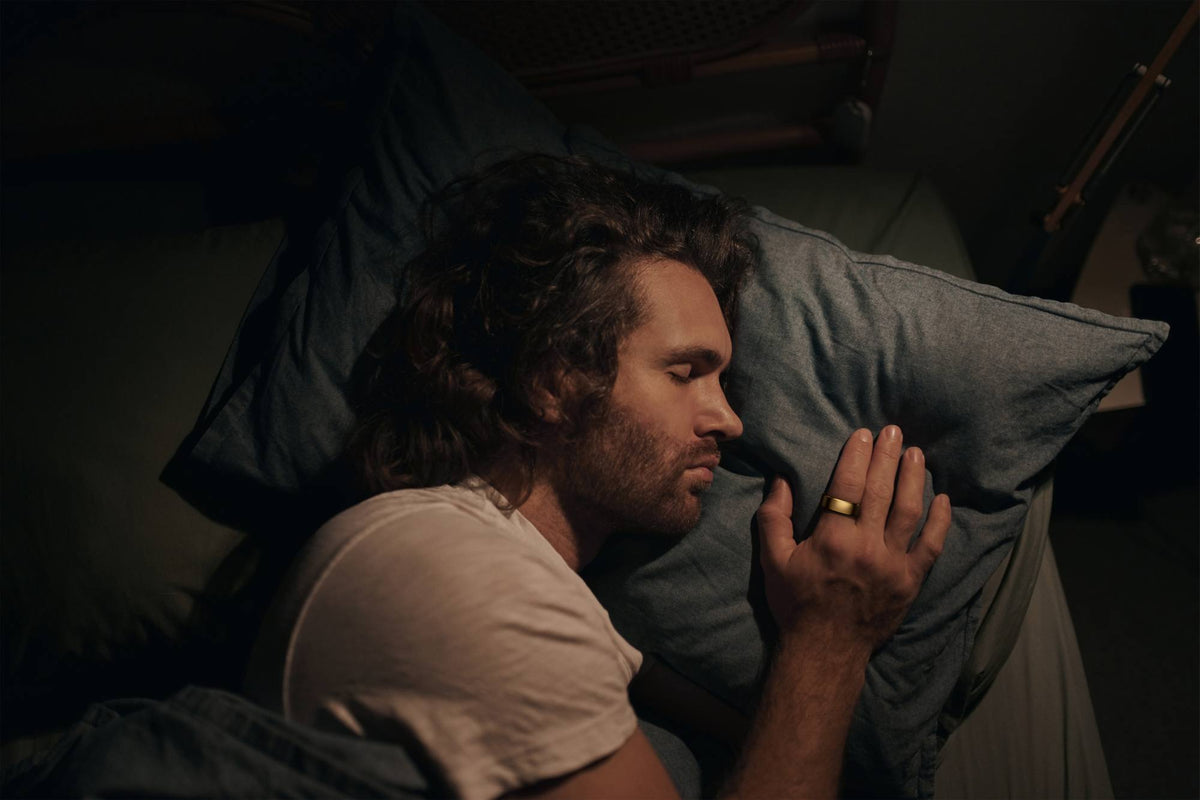
Sleep and Muscle Recovery: How Much Does Sleep Affect Growth and Repair?
Quick answer: Sleep supports muscle recovery by helping regulate processes involved in muscle protein synthesis, hormonal activity, and adaptation to exercise. Human experiments show that severe sl...

Hot Shower Before Bed: Can It Help You Fall Asleep Faster?
Quick answer: A comfortably warm shower taken about 1–2 hours before bed may help you fall asleep faster by promoting heat release as your body cools afterward. A 2019 systematic review found that ...

Can HRV Be Too High? When Higher Isn't Always Better
Quick answer: Yes, HRV can be unusually high, but there is no universal heart rate variability value that is considered dangerously high for everyone. A consistently higher HRV may be normal for yo...
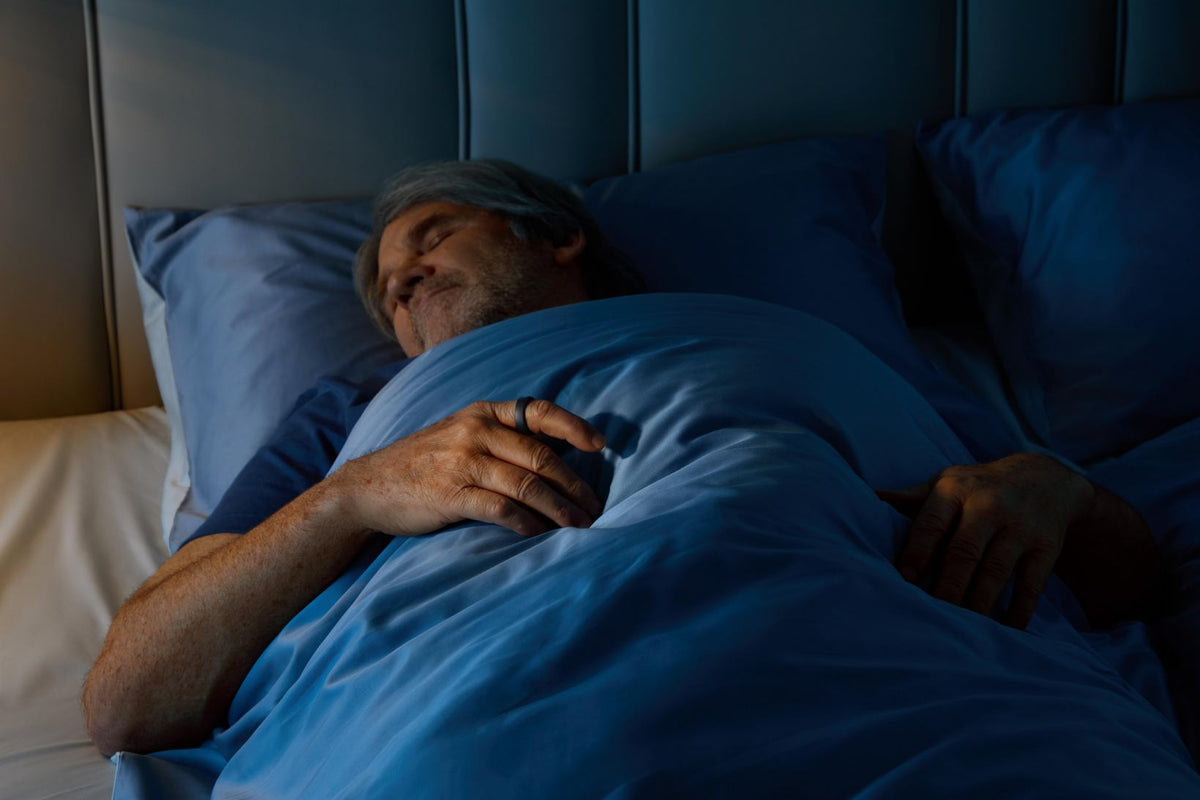
Does Sleep Help When You're Sick? How Rest Supports Immune Function
Quick answer: Yes, sleep helps support your immune system when you're sick. Adequate sleep contributes to immune regulation, while infection-related inflammation can increase fatigue and make you f...

Carbs Before Bed: Do They Help or Hurt Your Sleep?
Quick answer: Eating carbs before bed may help or hurt your sleep depending on the food, portion size, and timing. Some small studies suggest that certain carbohydrate-rich meals eaten several hour...