



Choosing the best smart ring is easier when you stop asking which model is the most impressive and start asking which one fits your real life.
Some people want the most advanced health insights possible. Some care most about sleep. Others want a lower-cost way to start tracking their health every day without wearing a watch. The best smart ring for you depends on which of those needs matters most.
This is why a smart ring should never be chosen by looks alone. The better approach is to compare the features that shape the daily experience: comfort, sleep tracking, battery life, recovery insights, alerts, and long-term value.
Medical disclaimer: RingConn products are not medical devices and are not intended to diagnose, treat, cure, or prevent disease. RingConn Gen 3 does not provide blood pressure measurement or medical diagnosis. Its vascular insights are designed for health awareness and long-term trend reference only.
Start with your main goal, not the product name
The easiest way to choose a smart ring is to decide what you want it to do first.
- If you want the most advanced health tracking, start with the flagship model.
- If you care most about sleep and overnight comfort, choose the sleep-first model.
- If you want a budget-friendly entry point, choose the simpler everyday tracker.
Once you know your main goal, the rest of the decision becomes much easier.
1. Sleep tracking should be one of your first filters
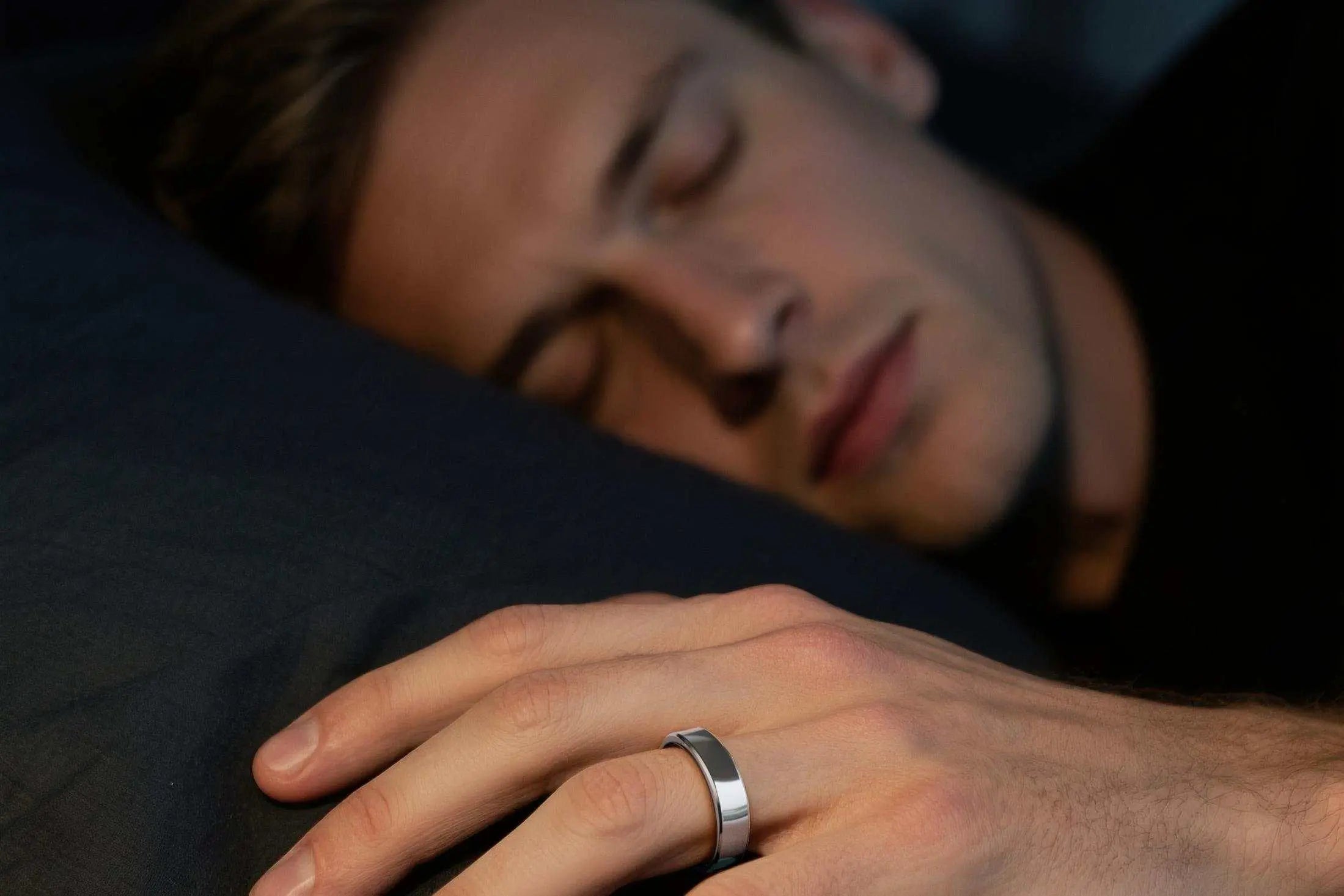
For many buyers, sleep is where a smart ring proves its value fastest. A ring that helps you understand sleep duration, sleep stages, recovery, and broader overnight patterns can be much more useful than a device that only counts movement.
If better sleep is your main reason for buying a ring, do not treat sleep as just one feature in a long list. Treat it as a core buying decision.
2. Comfort matters more than people expect
The best smart ring is the one you will actually keep wearing. That means comfort matters as much as features.
If a ring feels too bulky, too noticeable, or annoying overnight, your tracking becomes less useful because the wear pattern becomes inconsistent. This is one reason buyers should compare thickness, weight, and overall fit before focusing on smaller differences.
In RingConn's lineup, this matters because the models are not identical in feel. Some users may prefer the newest flagship features, while others may prefer a thinner or lighter ring for sleep-first use.

3. Battery life is not just about convenience
Battery life affects data continuity. If a ring needs frequent charging, you are more likely to lose overnight tracking and break the long-term health picture.
That is why battery life should be treated as a serious buying feature, not a small technical detail. Longer battery life means less maintenance, fewer interruptions, and a better chance that the ring becomes part of your routine instead of another device you have to manage.
4. Look for health insights, not just raw metrics
More tracked numbers do not automatically make a ring better. What matters is whether those numbers help you understand your body more clearly.
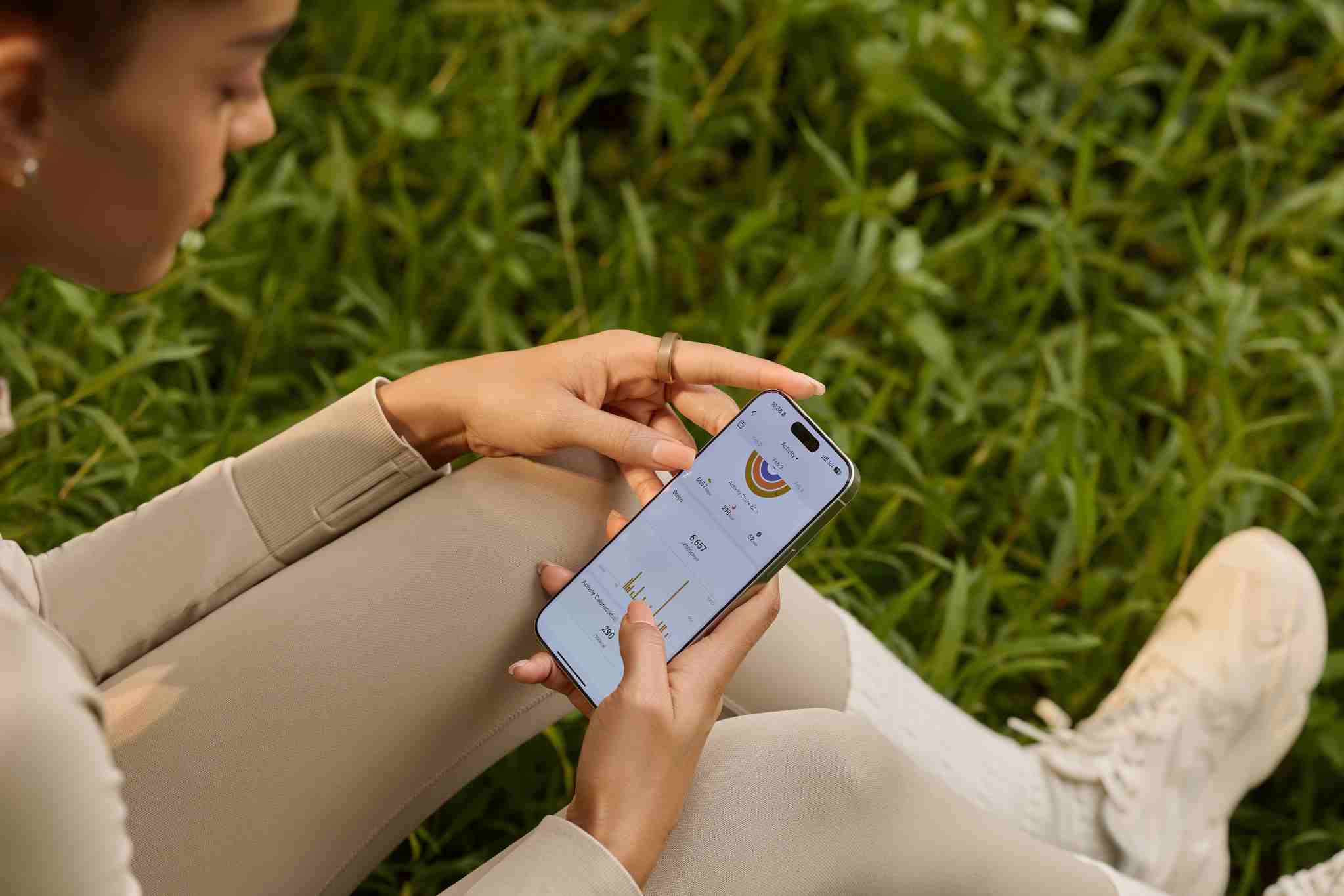
A better smart ring should help you make sense of sleep, recovery, heart rate, HRV, stress, blood oxygen, and other long-term patterns. If the ring only gives you data without useful context, the experience can quickly become confusing or easy to ignore.
5. Decide whether you want passive tracking or proactive alerts
Some users want a ring that quietly collects data and lets them review it later. Others want something more active that can surface health changes or reminders when they may matter.
This is one of the biggest differences between smart ring models. If you want a more supportive experience that goes beyond passive tracking, proactive alerts can be a major reason to choose one model over another.
6. Think about long-term value, not just purchase price
A smart ring should not only feel worth buying today. It should still feel worth using months later.
That is why price should be considered together with battery life, comfort, feature depth, and whether the ring requires ongoing subscription costs. A slightly more expensive ring can still be the smarter buy if it gives you a better long-term fit and better daily use.
Which RingConn model should you choose?
RingConn's lineup is easier to choose from once you match each model to a clear use case.
Choose RingConn Gen 3 if you want the most advanced health tracking
If your priority is the richest overall health picture, RingConn Gen 3 should be your first choice.
Gen 3 is the flagship model and the best fit for users who want advanced health insights, including vascular-health-related trends and proactive alerts. It is the strongest option for buyers who want the most complete screen-free health tracker in the current lineup.
For users who want an advanced smart ring without subscription, Gen 3 is the clearest top pick.
Choose RingConn Gen 2 if sleep is your main priority
If your biggest goal is better sleep tracking and stronger overnight focus, RingConn Gen 2 is still a very strong choice.
It makes the most sense for users whose needs are more centered on sleep and snoring-risk monitoring, and it remains especially attractive for people who care a lot about overnight comfort and sleep-first data.
If what you mainly want is a ring that tracks sleep, Gen 2 is still one of the best fits in the lineup.
Choose RingConn Gen 2 Air if you want the easiest budget-friendly entry point
If you want a simpler and more affordable start, RingConn Gen 2 Air is the best entry model.
It is the practical choice for users who want essential daily health tracking in a lighter and more budget-friendly package. If you want a lower-cost health tracking ring without starting with the flagship, Gen 2 Air is the easiest place to begin.

A simple way to make the final decision
Ask yourself these five questions before buying:
- Do I care most about advanced health insights or basic daily tracking?
- Is sleep my top priority?
- How important is overnight comfort?
- Do I want proactive alerts or only passive tracking?
- Am I choosing for long-term value or lowest upfront cost?
Your answers will usually make the right model much clearer than comparing finish colors or surface-level design details.
Compare before you buy
If you are still deciding, the smartest next step is to compare the models directly. The official compare ring page makes it easier to see how Gen 3, Gen 2, and Gen 2 Air differ in focus, battery life, and health-tracking depth.
For buyers who want a broader screen-free alternative to wrist wearables, RingConn also makes a strong case overall as a smart health ring ecosystem built around long-term, low-friction health tracking.
Final verdict
The best smart ring for your needs depends on what you want most from daily health tracking.
If you want the most advanced overall experience, RingConn Gen 3 is the strongest choice. If you care most about sleep-first tracking, RingConn Gen 2 remains a strong option. If budget matters most, RingConn Gen 2 Air is the smartest place to start.
The key is not choosing the ring with the most marketing hype. It is choosing the one that best matches how you actually want to track your health every day.

Laisser un commentaire
Ce site est protégé par hCaptcha, et la Politique de confidentialité et les Conditions de service de hCaptcha s’appliquent.