



O2 Max Chart by Age and Fitness Level: How to Read Your Number
VO2 max is one of the most widely used measures of cardiorespiratory fitness. It describes the highest rate at which your body can take in, transport, and use oxygen during intense aerobic exercise...

Chronic Training Load: What the Metric Means and How Wearables Estimate It
Chronic Training Load, often shortened to CTL, is a way to summarize how much training you have accumulated over a longer period of time. Instead of looking only at today's workout or this week's m...

Running Cadence on a Smartwatch: What It Means and How to Use It
Your smartwatch says your running cadence is 164, 172, or 181 steps per minute. Is that good? Should you try to make it higher? Does a lower number mean you are overstriding? The answer depends on ...
Luteal Phase Temperature Rise: What to Expect and How to Track the Trend
A temperature rise after ovulation is one of the most recognizable physiological patterns of the menstrual cycle. During the luteal phase, progesterone commonly shifts thermoregulation toward a sli...

Skin Temperature After Exercise: What Overnight Changes Can Mean
You finish a workout, sleep normally, and notice the next morning that your wearable recorded a higher skin temperature overnight. That change can reflect several overlapping parts of exercise reco...

Respiratory Rate After Exercise: How Long Until It Returns to Baseline?
You finish a workout, stop moving, and notice that your breathing remains faster than usual. That is a normal part of exercise recovery. Your muscles may no longer be producing the same workload, b...

Why Skin Temperature Rises Before Your Period
If your wearable shows that your skin temperature is higher in the days before your period, the pattern may reflect a normal hormonal change across the menstrual cycle. The important timing detail ...
Respiratory Rate at High Altitude: What Changes During Travel
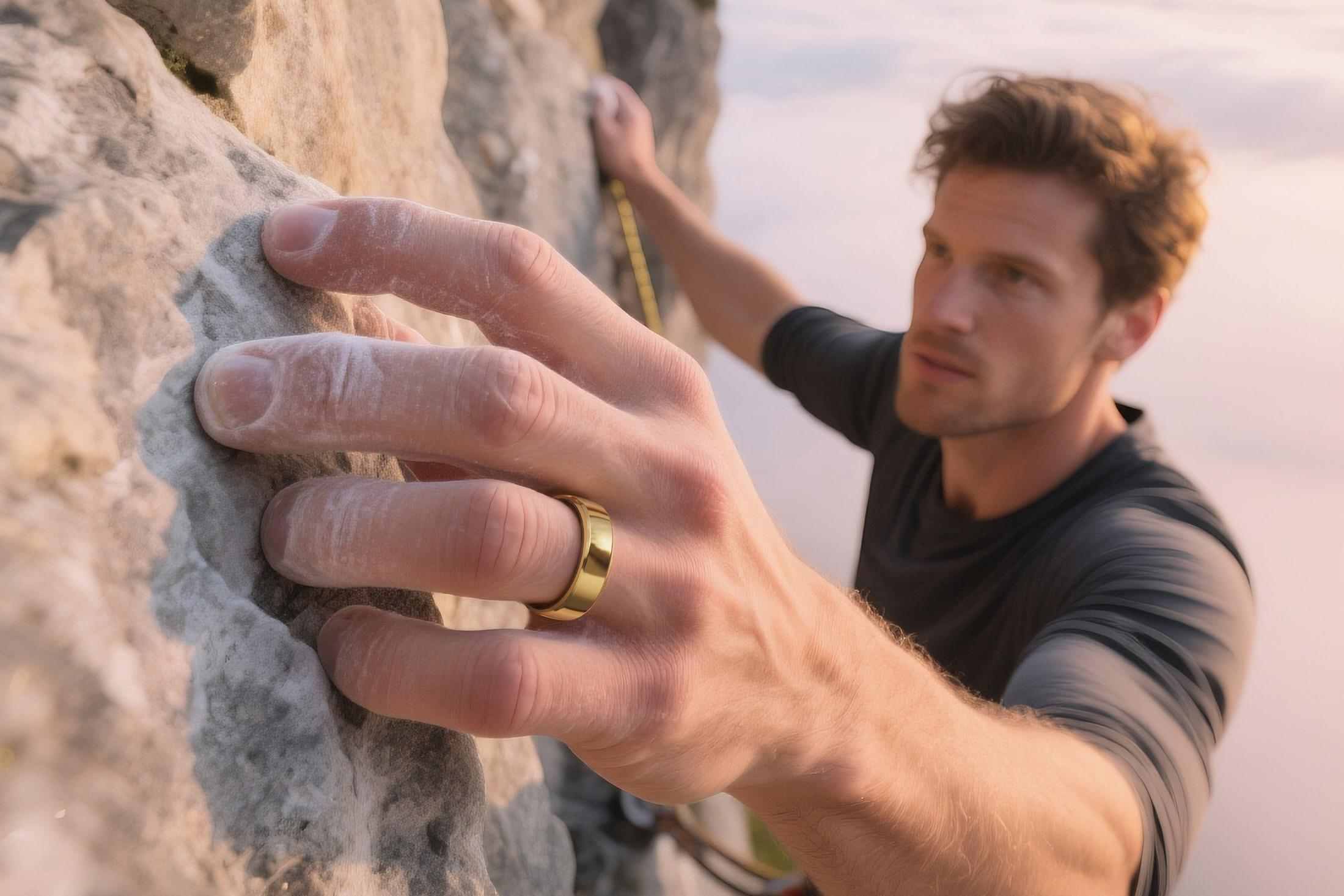
You travel from near sea level to a mountain destination and notice that your breathing feels different almost immediately. You may breathe more deeply, your heart rate may rise, exercise may feel ...
Why Deep Sleep Can Drop After a Hard Workout
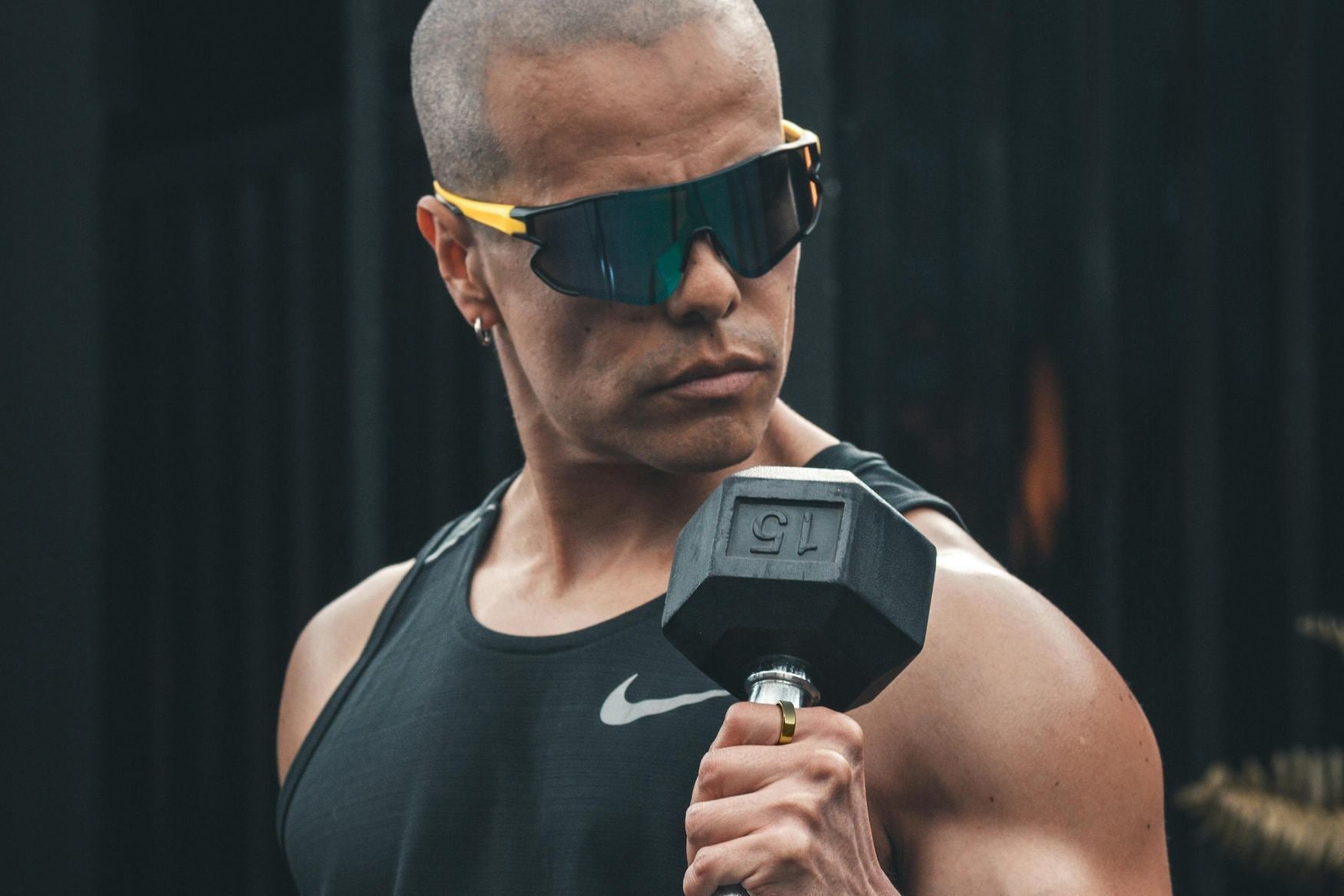
You finish a hard workout exhausted, expect to sleep deeply, and then wake up to a surprising result: your sleep tracker shows less deep sleep than usual. This can happen, especially after an unusu...