



Why Do Wearable Sleep Scores Disagree? Algorithms, Fit, and Missing Data Explained
Two wearable devices can track the same person on the same night and still produce different sleep scores, total sleep times, wake periods, and sleep-stage estimates. This does not necessarily mean...

Can Smart Rings Detect AFib or Heart Palpitations? Capabilities and Limits
A smart ring can continuously track heart rate, heart rate variability (HRV), sleep, activity, and other wellness trends. Some wearable systems can also alert users when a heart-rate pattern appear...
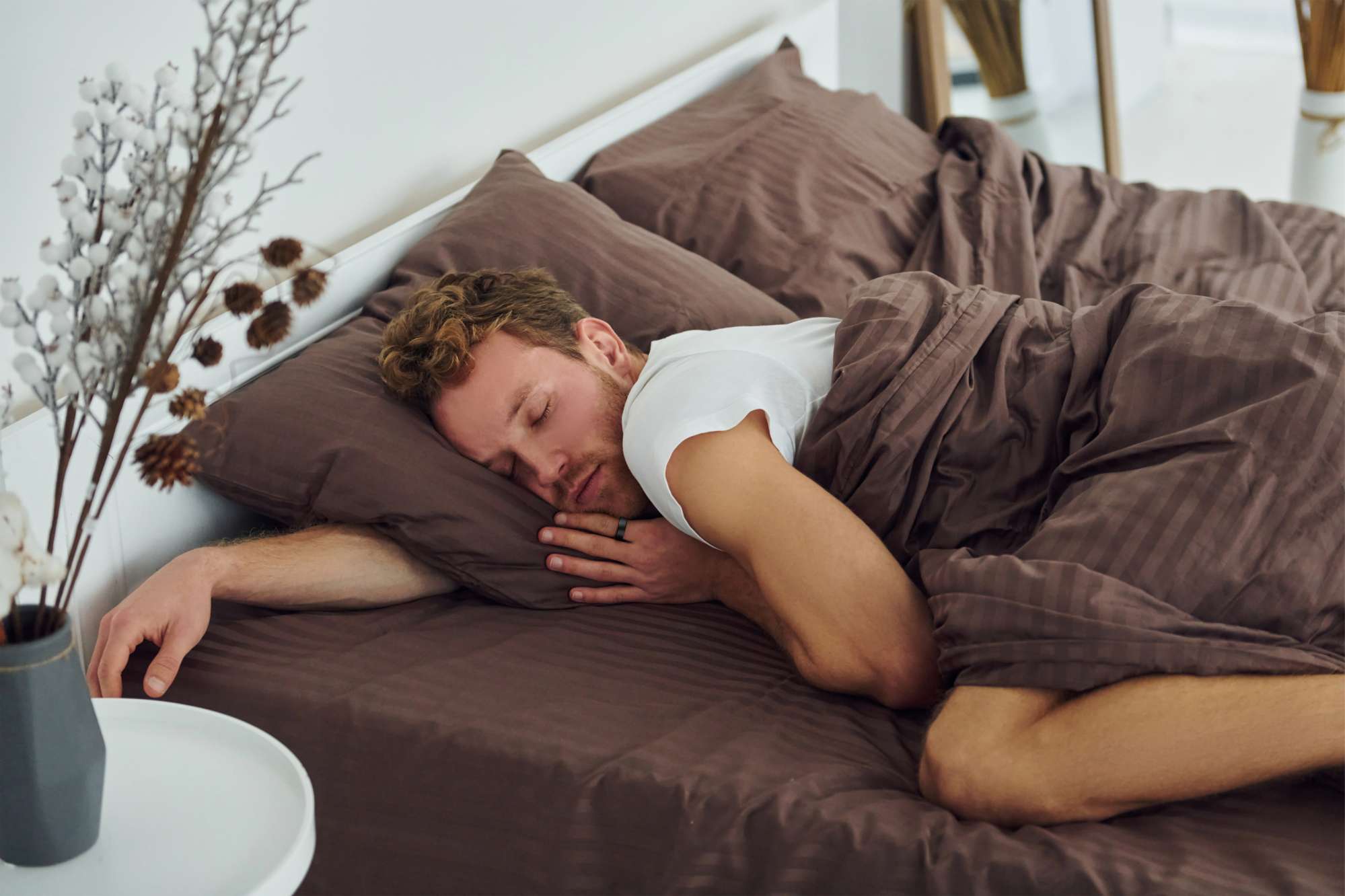
How Accurate Are Smart Rings for Heart Rate at Rest, During Sleep, and During Workouts?
Smart rings can provide useful heart-rate data, but accuracy is not identical in every situation. A reading collected while you are asleep or sitting quietly has very different signal conditions f...

HRV vs Resting Heart Rate: Which Metric Better Reflects Recovery?
Heart rate variability and resting heart rate are two useful metrics for understanding recovery, but they describe different aspects of cardiovascular regulation. Resting heart rate tells you how ...
Why Is My Respiratory Rate Higher During Sleep? Common Causes and Warning Signs
A higher respiratory rate during sleep means your smart ring estimated that you took more breaths per minute than is typical for your recent overnight pattern. One higher night does not automatica...

Respiratory Rate vs SpO2: What Each Nighttime Metric Tells You
Respiratory rate and SpO2 both provide useful information about breathing during sleep, but they describe different parts of the process. Respiratory rate estimates how many breaths you take per m...

How to Track Respiratory Rate During Sleep and Understand Night-to-Night Changes
Your respiratory rate during sleep is the estimated number of breaths you take per minute while asleep. Because nighttime tracking reduces many daytime influences such as walking, talking, eating, ...

Do Smart Rings Emit EMF? Bluetooth Exposure and 24/7 Wear Explained
Yes. A smart ring can emit radiofrequency electromagnetic energy when its wireless radio is transmitting data. For RingConn, Bluetooth is used to communicate with a compatible phone, synchronize s...
Why Did My Sleep Score Drop Even Though I Slept Longer?
Sleeping longer does not always produce a higher sleep score. Total sleep duration is important, but a sleep score is designed to summarize more than the number of hours you spent asleep. A longer...